VAT REG NO: 451761843 COMPANY NO: 7097428


Open Monday - Friday 8am - 5pm


_edited.png)
Generator Capacitors

What is a Capacitor and what does it do?
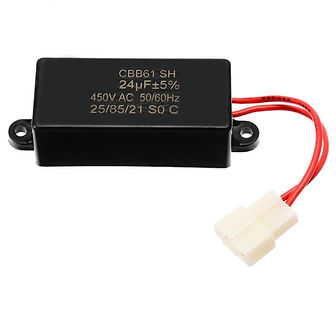
A capacitor on a generator is a small cylindrical component that acts as a storage tank for electrical energy to stabilize voltage and assist in excitation. It regulates power flow to ensure consistent voltage output and protects the alternator from surges.
A faulty capacitor often causes low or no voltage output.
Key Roles of a Generator Capacitor:
-
Voltage Regulation: It keeps the output voltage steady, preventing flickering lights and ensuring connected equipment works properly.
-
Excitation: In many small, brushless generators, the capacitor supplies the necessary field current to the rotor to create the magnetic field required for generating electricity.
-
Power Quality: It helps filter the output, leading to cleaner power.
Symptoms of a Bad Capacitor:
-
Low or No Voltage: The generator runs but produces little to no power (e.g., only 2-5V residual voltage).
-
Visual Damage: The metal casing is swollen, dented, or shows signs of burning.
-
Unusual Behaviour: Lights flicker or appliances do not function correctly.
Testing and Replacement:
-
Safety Warning: Capacitors can hold a lethal charge even after the generator is turned off. Always discharge them safely before touching the terminals.
-
Testing: A multimeter with a capacitance mode (uf) is used to check if the capacitor's reading matches the rating on its label.
-
Replacement: Capacitors are generally inexpensive and readily available, often found under a plastic cover on the generator.

3uf


4uf


5uf


6uf

8uf

18uf
10uf

20uf

30uf

35uf
12uf

15uf

22uf
25uf


40uf
45uf


50uf

60uf
80uf

90uf
100uf